The 2026 MassBio Policy Leadership Breakfast was a powerful presentation on how the health of the life sciences ecosystem here in Massachusetts is so closely tied to patient access and outcomes. At the annual event, which brings together policymakers, advocates, and key industry leaders from across the Commonwealth, speakers underscored the importance of maintaining Massachusetts’s status as the global leader for life sciences, many with their own patient-driven stories.
Senator Sal DiDomenico, recipient of this year’s Ann-Margaret Ferrante Legislator of the Year Award, captured the day’s theme: “If we don’t keep doing what we’re doing and showing support and investing and creating an atmosphere within the state for this to flourish, then not only are we losing an economic engine, but we’re also losing ground on developing drugs that’ll save people’s lives every single day.”
Personal Stories, Powerful Advocacy
The topic of patient advocacy echoed throughout the morning, and the personal stories served as a stark reminder of why the biotech industry is so critical to prolonging and saving lives. MassBio Head of Government Affairs, Ed Coppinger, shared through video that he has been recently diagnosed with lymphoma and is currently undergoing chemotherapy. In high spirits, Ed told the room, “Hopefully I’ll see you in the springtime when I come back to work in person, and I can be a better and stronger policy advocate, but more importantly, a patient advocate.”
There may not have been a greater patient advocate and champion of the life sciences community on Beacon Hill than Representative Ann-Margaret Ferrante, who passed away last year after a long battle with pancreatic cancer. Fittingly, MassBio’s annual Legislator of the Year award was named in her honor and awarded to her Massachusetts Life Sciences Caucus Co-Chair, Senator Sal DiDomenico.
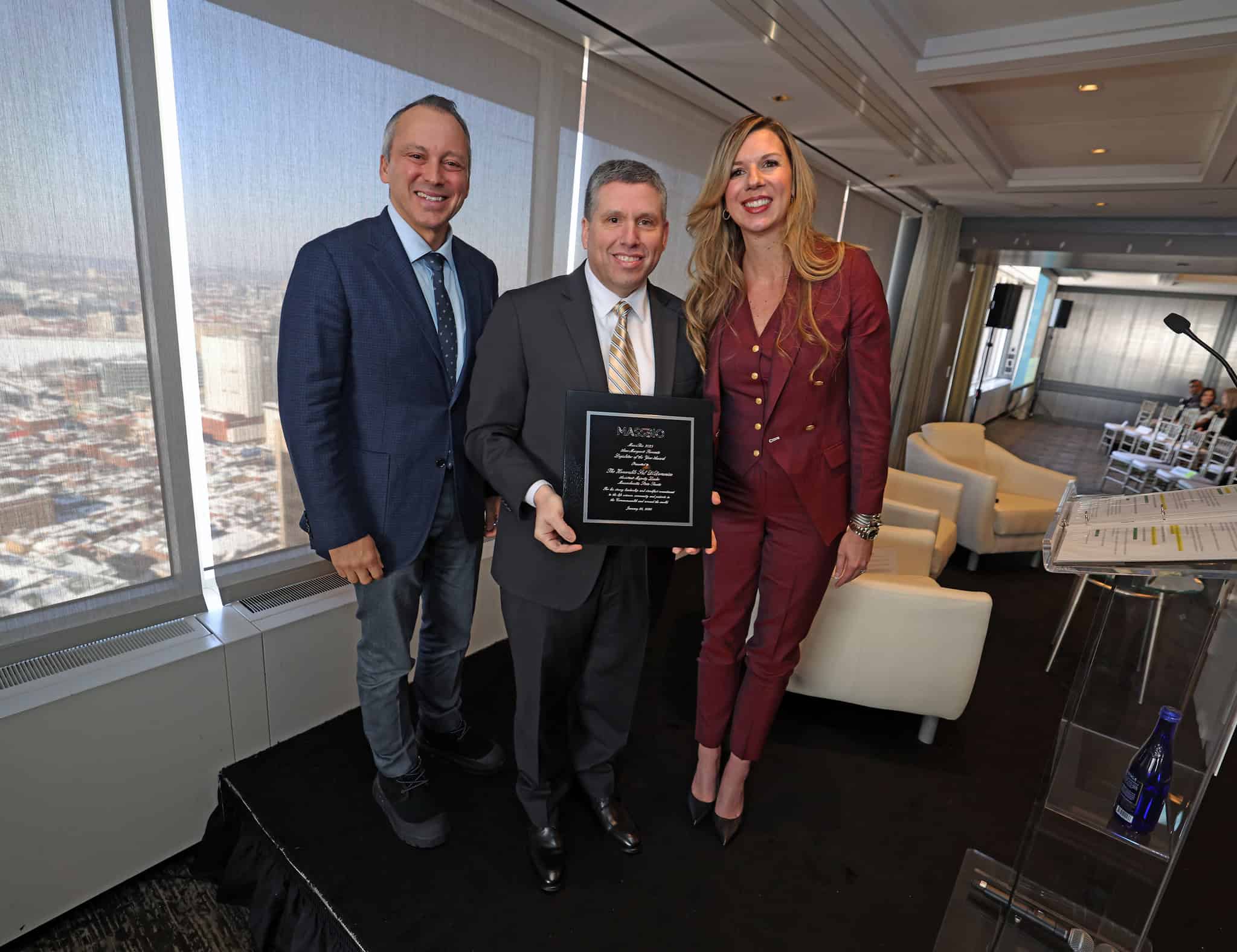
In introducing the award, House Ways and Means Chair Aaron Michlewitz, a longtime friend and colleague of Ann-Margaret, described her devotion to her community in Cape Ann and her advocacy to grow the biotech industry to promote jobs and economic growth for her constituents. “And then when she got sick, it became a different conversation. It became about treating, how to best treat patients, how to best fight for research, and how to best fight for the future,” said Chair Michlewitz.
In accepting the award, Senator DiDomenico reflected on Ann-Margaret’s legacy: “Right up until the very end, she was advocating and making sure this industry was front and center because of the work that you do every single day. You could not have had a better advocate than Ann-Margaret Ferrante.”
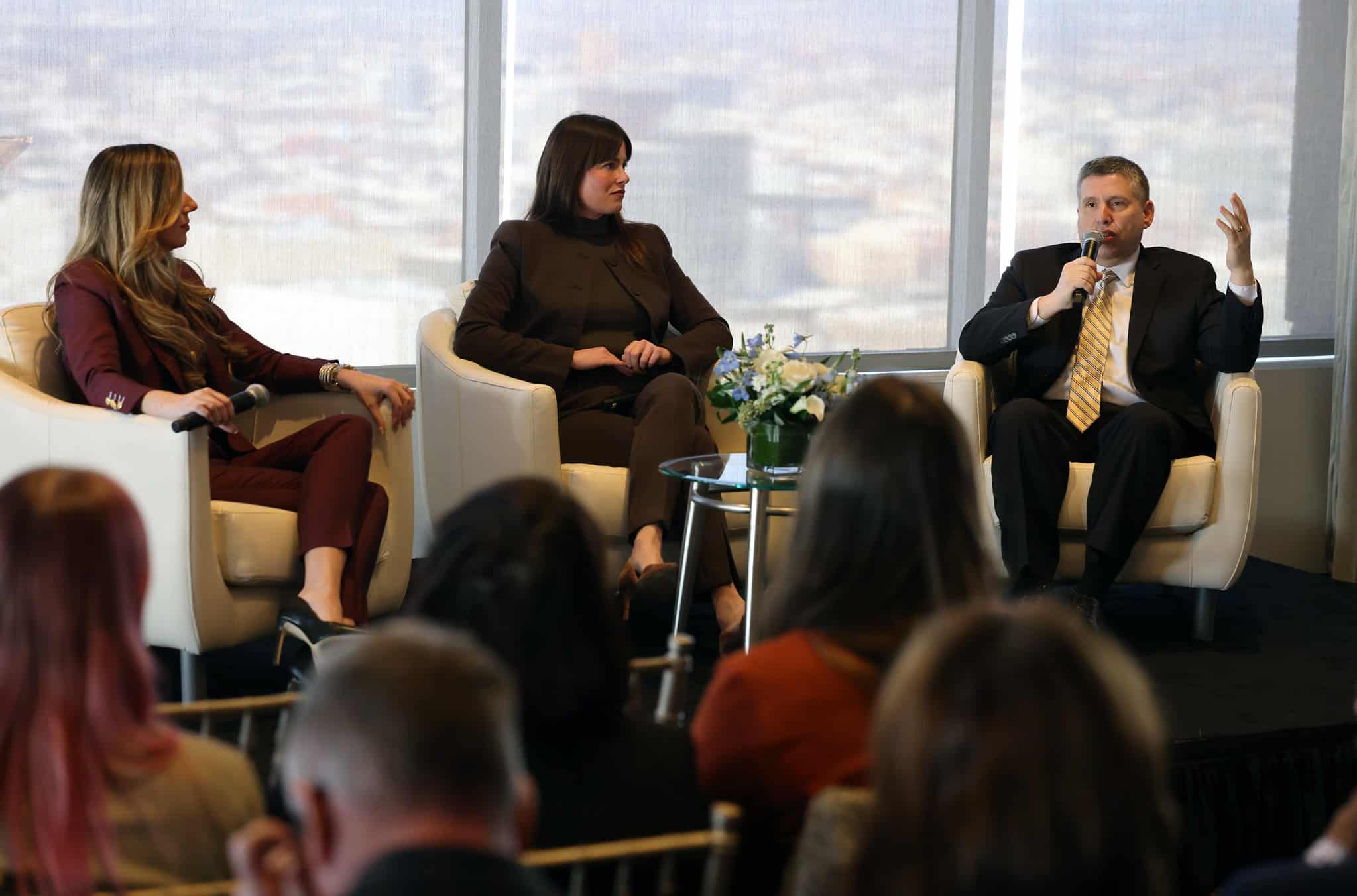
During a panel discussion, Representative Meghan Kilcoyne recounted the story of her brother’s health struggles growing up, which led to him becoming the youngest person to be diagnosed with Celiac disease at the time. This experience has influenced her work as Vice Chair for the Health Care Financing Committee. Kilcoyne has filed legislation expanding coverage to biomarker testing, a method that identifies specific genes and enables more precise diagnosis and treatment.
“And one thing that I think is so critical about this technology is that it’s not just about providing better outcomes, providing longer survival rates. It’s about ensuring that when you’re going through this treatment, you’re going to have the best quality of life possible,” said Kilcoyne.
Senator DiDomenico offered an emotional account of his mother, who was diagnosed with an aggressive form of ALS. When she was first diagnosed, her doctors told her that if her diagnosis had come just two years earlier, there would have been no treatment available. A regimen of thirty pills a day gave her more time with her family.
“The advancements that we have made here, right in this state, gave us more time with my mom. Gave us much more time with her than we anticipated when she was diagnosed,” said Senator DiDomenico.
Protecting What We’ve Built
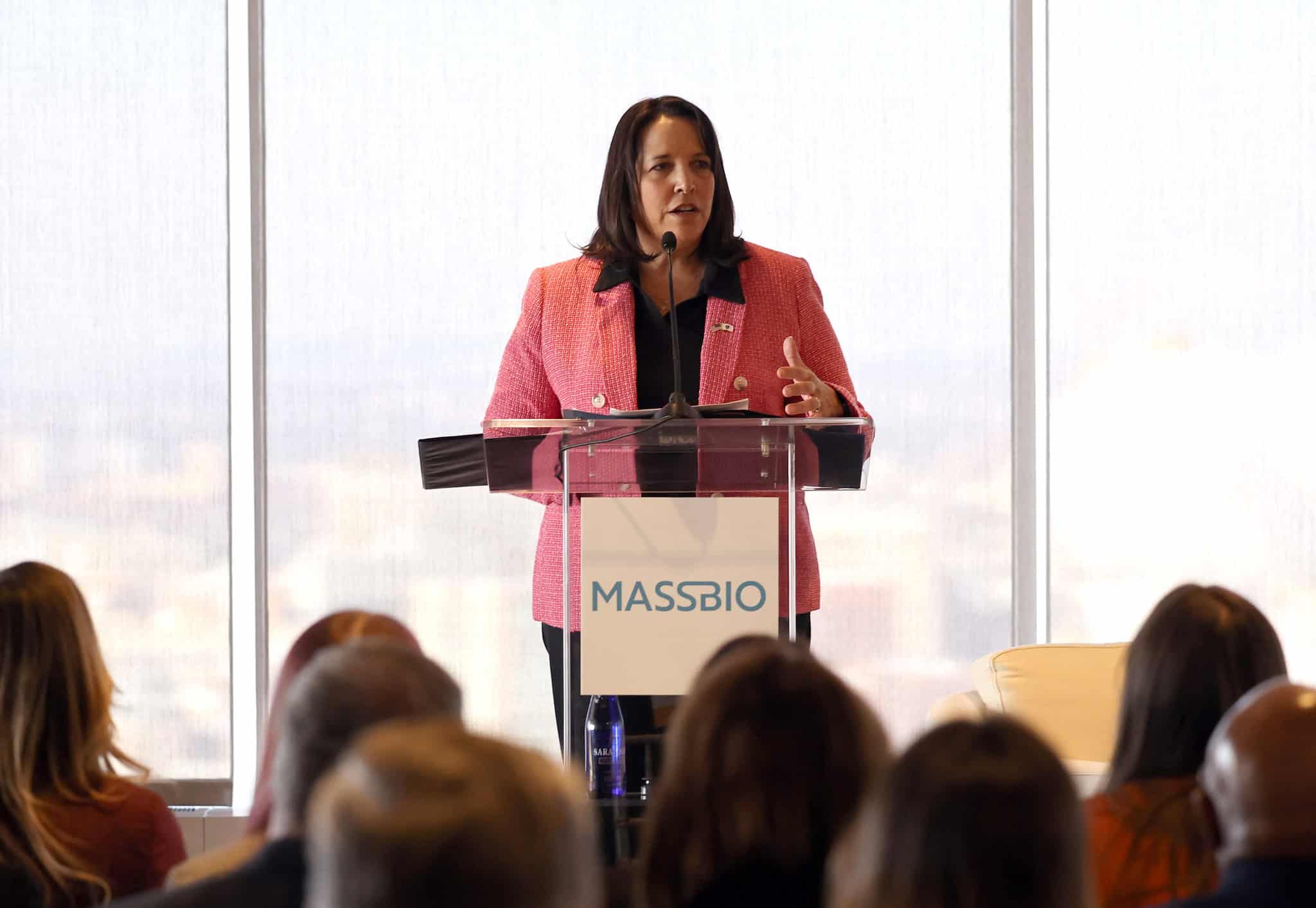
The health of Massachusetts’s life sciences ecosystem, however, cannot be taken for granted. During her speech, Lieutenant Governor Kim Driscoll recognized the need for continued investment in the industry, especially with the current uncertainty at the federal level. “Because we are true partners who believe not only in what you’re doing, but believe we got to dig in when the times get tough and the challenges are coming and people are questioning where to put investments, we bet on coming together in support of this industry,” said Driscoll.
The vibrancy of the ecosystem here in Massachusetts was tested in 2025, as the state saw a decrease in both local R&D jobs and seed funding for early-stage biotech companies. Federal uncertainty has contributed to the problem, whether through a revolving door of leadership at the FDA or reductions to funding opportunities such as NIH and SBIR grants.
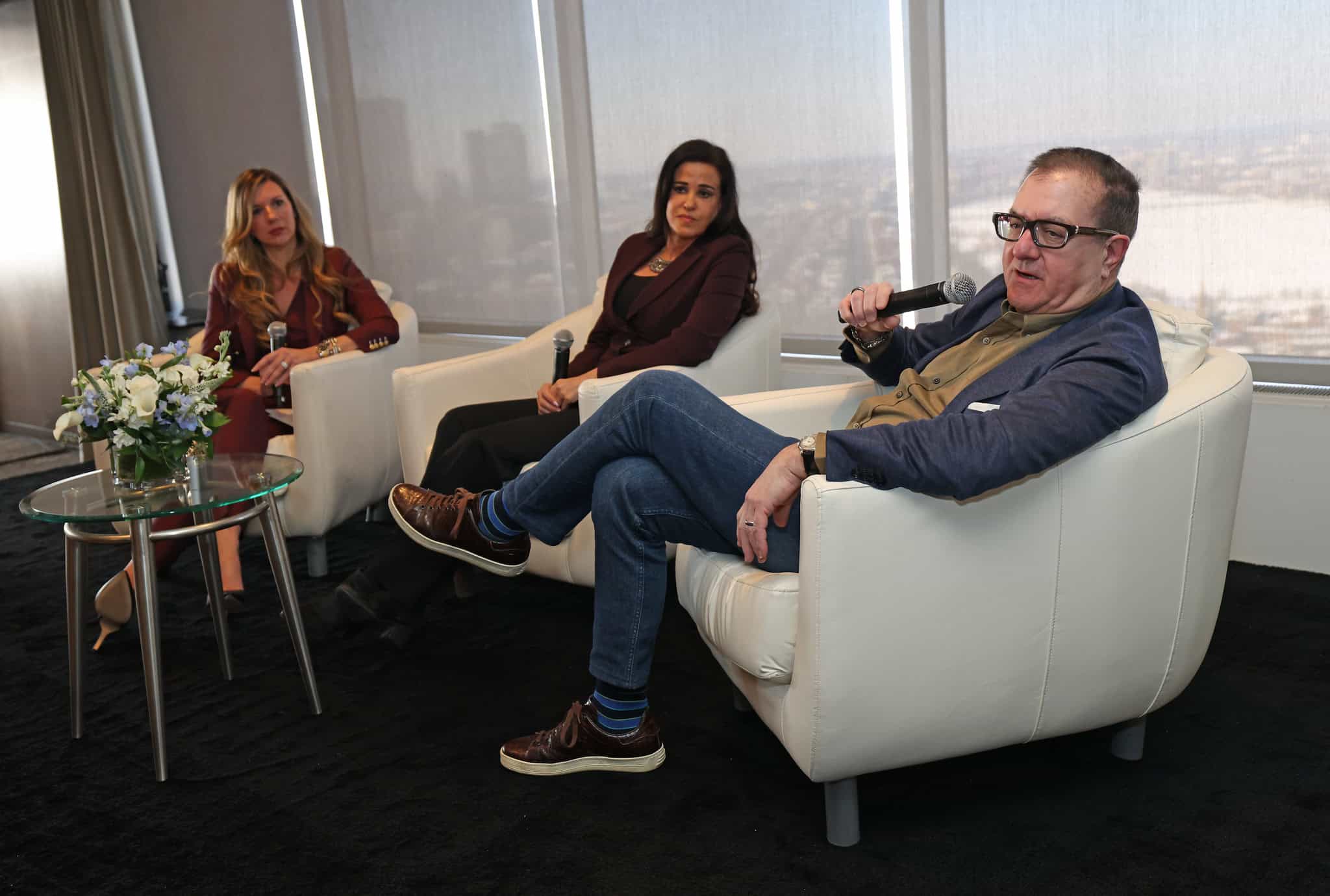
John Maraganore, founding CEO of Alnylam Pharmaceuticals, talked about the significance of the Massachusetts ecosystem: “It’s hard to imagine having done what we did historically, without the ecosystem that we have here in the Commonwealth with the research institutions, the venture capital, the entrepreneurs, and all of that melding together in such an amazing way.” He did, however, warn of forces that are “very challenging for our leadership here in the Bay State,” including affordability and federal assaults on science and H-1B visas.
Daphne Zohar, Founder and CEO of Seaport Therapeutics, pointed out the difficulty of securing seed funding for biotech companies. Early-stage companies rely on funding from venture capitalists and angel investors to fund research and discovery that can ultimately lead to new medicines and cures. When asked about the “Valley of Death”, a biotech term that refers to the funding gap between early-stage scientific discovery and the time when a drug is developed enough to attract major investments, Zohar described it as, “treacherous…Seed money is almost impossible to raise, especially if you’re a first-time entrepreneur.”
When companies can’t raise the capital needed to move forward with research and development, future cures and treatments die along with the companies themselves. “When they shut down the company, people get laid off. The technology goes back to, let’s say, academia, but all that knowledge is lost as well,” Zohar explained, referring to people she knows who simply ran out of time and money last year.
In his closing remarks, Senator DiDomenico delivered a powerful tribute to the industry:
“I know what you do. I know the time, money, investment that you put into creating life-saving drugs for the world right here in this state of Massachusetts… You do the work to develop drugs every day—every day—to turn terminal illnesses into chronic illnesses, to turn chronic illnesses to cures.”
Despite these challenges, there remains optimism about the sector’s outlook in 2026. Those in attendance heard firsthand how the vibrancy of the life sciences ecosystem here in Massachusetts delivers real-world results for patients, and policymakers acknowledged the obstacles the industry currently faces. Through continued collaboration, communication, and recognition of the potential to develop groundbreaking and lifesaving treatments, Massachusetts can remain a world leader in the life sciences industry.