The story of biotech is often told in the language of platforms and pipelines; decks and data points. But most of us working in the industry have deeply personal reasons for doing this work.
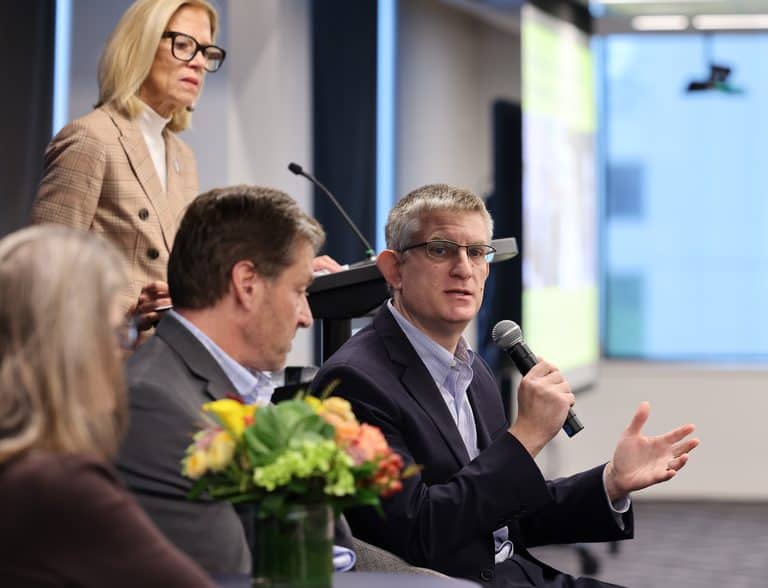
At this year’s MassBio State of Possible Conference, Jigar Raythatha, a partner at Third Rock Ventures, shared how his work as an investor and company leader took on new meaning when he was diagnosed with a brain tumor.
“For the past three years, I’ve been a patient that has been a survivor of low-grade glioma or more specifically, grade two astrocytoma,” he told the audience.
Just 24 hours before his diagnosis, Jigar had read a press release announcing clinical data for a new glioma drug that showed a dramatic increase in progression-free survival.
In a remarkable twist of fate, that same drug–developed by a company backed by his own firm –was the drug that gave him the possibility of his own future.
Jigar reminded the audience that he is one of the lucky ones and called for the community to get together to develop new drugs for patients who are still waiting.
“How many patients are out there getting their first MRI reports… for a disease that has no treatment?” he asked.
When Families Become Scientists
For many families, that question is not a rhetorical one. It is the moment their lives changed in ways they could never have fathomed.
Kate Mogul never expected biotech to be part of her life. But when her son Holden was diagnosed with a rare and severe form of epilepsy as an infant, she found herself entering a confusing new universe.
“I felt like we were kind of thrown into this medical world that we knew nothing about,” she said.
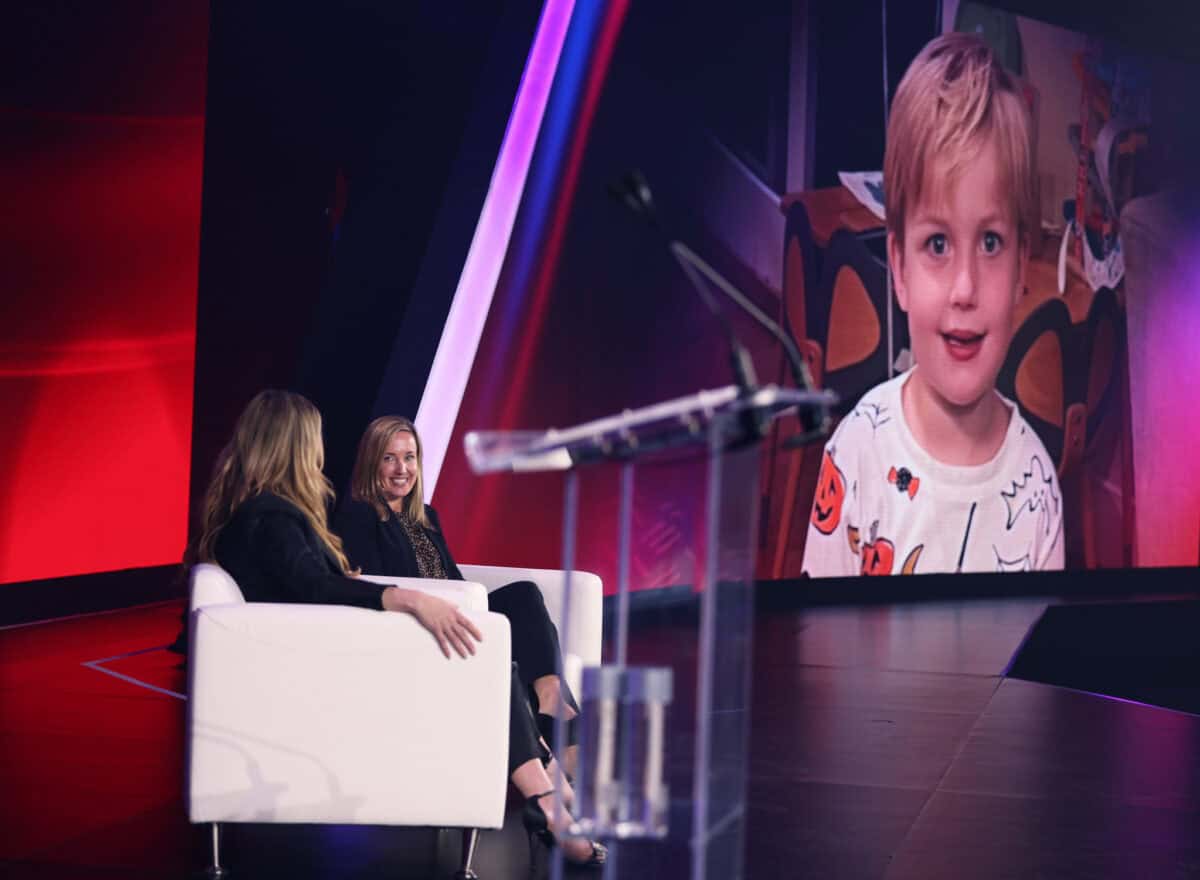
What followed was a crash course in medicine, caregiving, and eventually, advocacy. As Holden’s seizures continued despite multiple medications and a major brain surgery, Kate and her family were forced to become students of science. They learned about emerging therapies, medical devices, and experimental approaches.
Like many families affected by rare disease, uncertainty became part of their lives.
“I always thought through the whole process, I wish I had a crystal ball,” she said.
Her message to the scientists and industry leaders in the room was simple: keep pushing.
“What you are all doing is so important to families like ours,” she said.
The Weight of Leadership
While patients and families must navigate the uncertainty of disease, biotech leaders exist in a different type of uncertainty. Their decisions ultimately impact patients and their families, as well as their own employees and shareholders.
In a panel titled “Biotech CEOs on the Frontlines,” a group of CEOs across all stages of their careers spoke about the emotional and strategic challenges they’ve faced while building biotech companies in a world punctuated by funding pressures and regulatory complexity.
They also talked about why they continue to do this work, frequently referencing a shared sense of purpose and responsibility to patients.
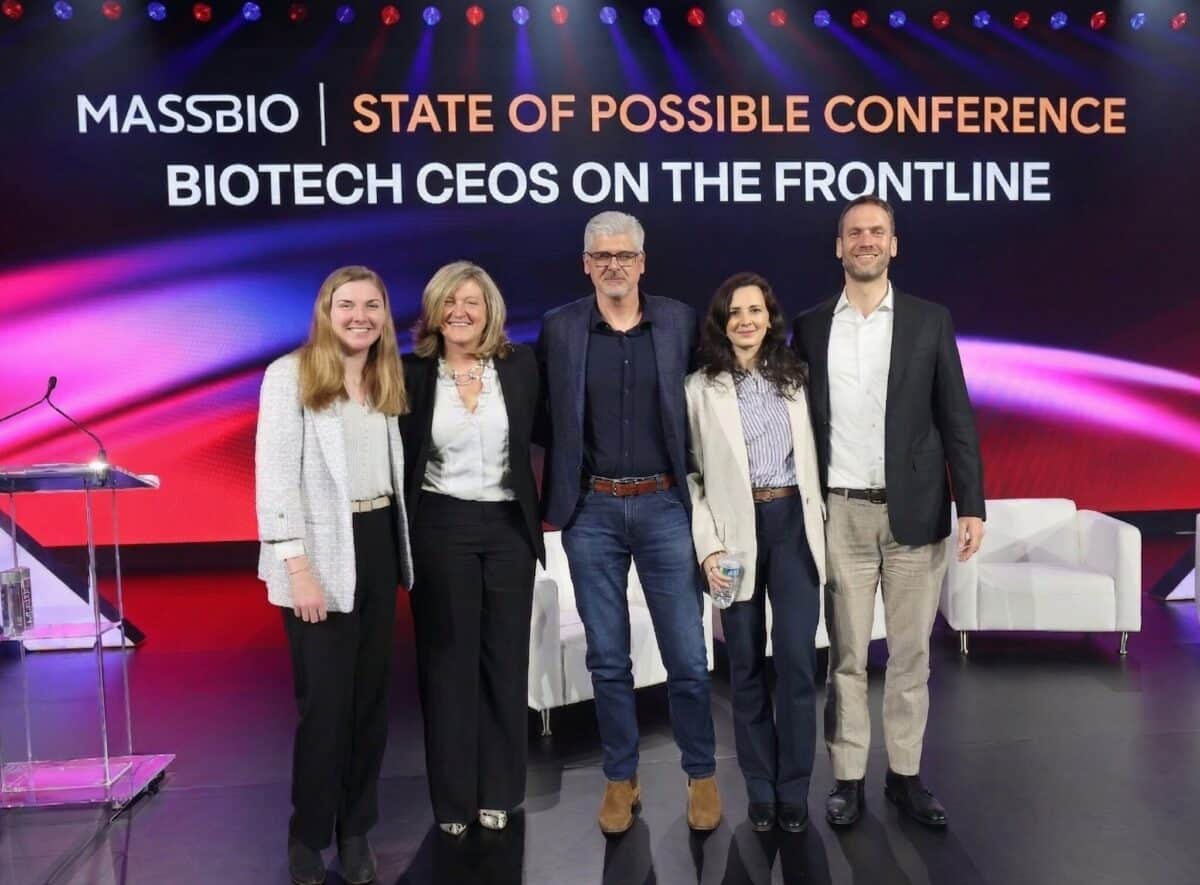
“You’re not always going to succeed,” said Andy Orth, CEO of City Therapeutics. “It’s expected that you’re going to have to change course frequently. But the ideal case is that you’re aligned on your vision and mission.”
Jodie Morrison, CEO of Q32 Bio, noted that behind every clinical milestone are difficult decisions about where to invest resources, when to pivot programs, and how to support teams through setbacks.
“For small biotech,” she said, “Time is money, and we don’t have a lot of it – so we have to quickly make good and informed decisions.”
Staying grounded in the mission can help guide the most difficult decisions, the CEOs said.
“We have the privilege of working on something that will hopefully create a lot of impact,” said Joanna Stanicka, CEO of Axonis Therapeutics. “It’s critically important to remember that, especially in really tough moments.”
That sense of responsibility, panelists noted, is what sustains leaders through the inevitable setbacks.
This job is about “never giving up, always relentlessly moving things forward and never forgetting who we’re doing it for,” said Kasper Roet, CEO of QurAlis. “There are a lot of sick people out there that need our help.”
Why Our Work Matters
A few years ago, I had my own reminder of why our work matters. When my mother was diagnosed with non-small cell lung cancer, I too found myself on the other side of the industry I’d worked in for over a decade. Suddenly I was navigating a maze of test results, published studies, and clinical trial options, trying to understand what each might mean for her future.
Working in biotech communications, I had always believed in the importance of keeping the mission front and center. But experiencing the patient and family perspective reminded me that we do better work when we remember who we are working for.
Throughout the State of Possible conference, that theme was repeated again and again: Biotech eventually becomes personal for everyone.
Behind every breakthrough are people. They are patients waiting for new treatment options, families searching for hope, and scientists working every day to make better outcomes possible.
Sarah Sutton is Founder and Principal of Endurance PR, where she partners with emerging biotech companies to translate complex science into communications that resonate with investors, partners, and patients.