MassBio CEO & President Kendalle Burlin O’Connell originally posted this update to LinkedIn:
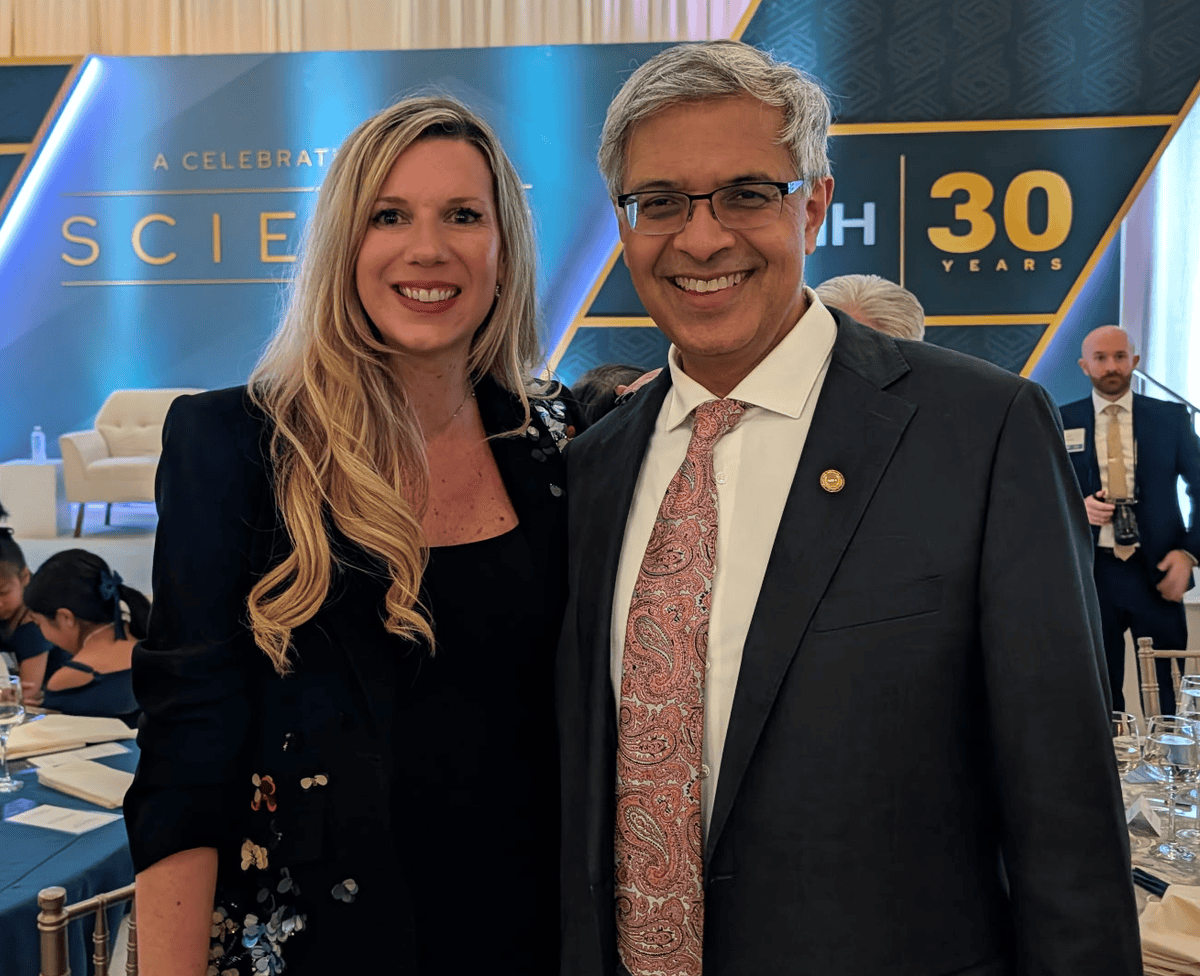
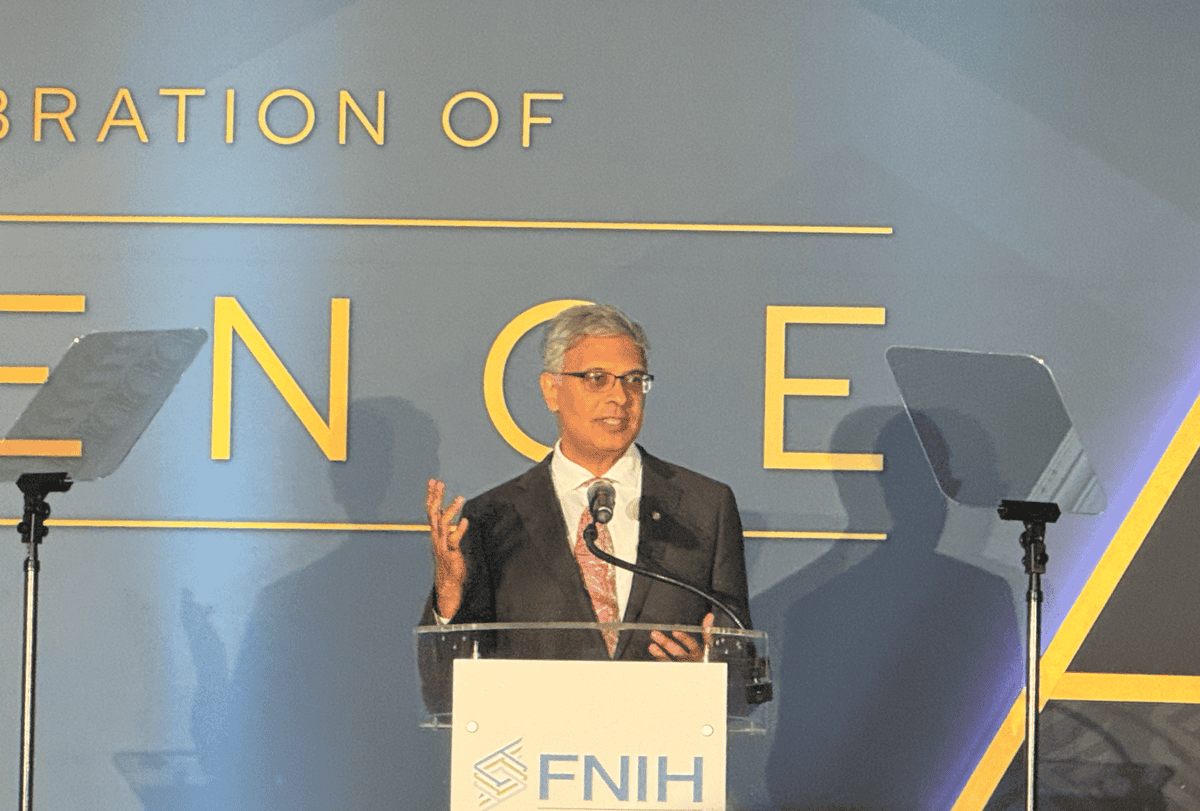
MassBio Back on the Hill: Our team was in Washington on Wednesday for meetings with the offices of Sens. Ed Markey and Elizabeth Warren and Reps. Katherine Clark and Lori Trahan, along with Rep. Morgan Griffith (R-Va.), and the Republican Study Committee. Our message was that small and emerging biotechs, which make up most of our membership and are where America’s next medicines start, need funding, speed, and certainty from Washington. We asked Congress to fund NIH at no less than FY2026’s $48.7 billion, keep opposing OMB’s proposal to let political appointees decide which science gets funded, reauthorize PDUFA on time with FDA staffing that keeps pace, and pair sound protections against China with incentives that keep U.S. companies competitive. That evening, MassBio was proud to be a sponsor of the FNIH Celebration of Science, where Cambridge-based Biogen was among this year’s Charles A. Sanders, MD, Partnership Award recipients.
Treasury Releases Proposed COINS Act Regulations: Last week, the Treasury Department released proposed regulations implementing the Comprehensive Outbound Investment National Security (COINS) Act, including sweeping new restrictions on U.S. investment in Chinese biotechnology. The proposal would cover a broad range of technologies, including drug development, genetic sequencing, and biomanufacturing, and could prohibit certain equity investments, financing arrangements, and joint ventures. Traditional licensing agreements generally remain outside the scope of the proposed restrictions. MassBio is reviewing the proposal closely and intends to submit comments emphasizing the importance of protecting national security without undermining U.S. biotech competitiveness or limiting opportunities to bring promising discoveries into the American drug development pipeline.
We welcome perspectives from member companies on potential implications for their businesses ahead of the December 7 comment deadline.
Auchincloss and Griffith Unveil Bipartisan Clinical Trials Legislation: Reps. Jake Auchincloss (D-Mass.) and Morgan Griffith (R-Va.) introduced the Faster Clinical Trials Act, a bipartisan proposal aimed at reducing barriers that slow clinical research in the United States. The legislation would establish a new Center for Clinical Trial Innovation at FDA, expand clinical trial networks into community healthcare settings, streamline review of lower-risk Phase 1 trials, and encourage greater use of AI and alternative testing methods. It would also strengthen FDA’s Rare Disease Innovation Hub and address common causes of clinical holds. For Massachusetts’ emerging biotechs, the proposal represents a potentially significant step toward making clinical trials faster, more predictable, and easier to conduct domestically, and MassBio looks forward to working with Representatives Auchincloss and Griffith in the months ahead.
FDA and CMS Announce New Steps to Advance Gene Therapies: On Tuesday, HHS announced two initiatives aimed at accelerating development and improving access to cell and gene therapies. FDA issued draft guidance establishing a more flexible approval framework for individualized genome-editing treatments, allowing multiple patient-specific variations to be covered under a single application and potentially reducing the need for additional clinical trials. Separately, CMS announced plans to expand its Cell and Gene Therapy Access Model beyond sickle cell disease, allowing more manufacturers to participate in negotiated, outcomes-based Medicaid payment arrangements. Together, the initiatives could provide greater regulatory clarity for developers of personalized therapies while addressing longstanding challenges around patient access and reimbursement.
FDA Expedited IND Pilot Application Deadline Approaches: FDA’s Expedited Investigational New Drug (IND) Pilot Program closes applications tomorrow, October 30. Part of Operation TrialBlazer, the pilot is designed to accelerate first-in-human clinical trials by pairing drug sponsors with qualified research institutions that can provide early regulatory and scientific support. Selected participants will be able to submit components of their IND applications on a rolling basis, potentially identifying and resolving issues earlier in development. FDA expects to select eight to ten sponsor-institution partnerships for the initial cohort. The pilot is particularly relevant to smaller biotechs seeking to reduce development timelines and navigate FDA requirements with limited internal regulatory resources.
FDA Seeks Input on Rare Disease Regulatory Reform: FDA convened a public meeting Wednesday to gather stakeholder feedback on its new Rare Disease Framework Initiative. The effort seeks to establish a more flexible, disease-specific approach to regulatory review, recognizing the challenges of generating traditional clinical evidence in small patient populations. FDA is particularly interested in improving the consistency of regulatory expectations, earlier engagement with sponsors and patients, and more tailored manufacturing requirements. Public comments are being accepted through December 11.