Guest Blog by Jennifer Michaelson, PhD and Irina Shapiro, PhD
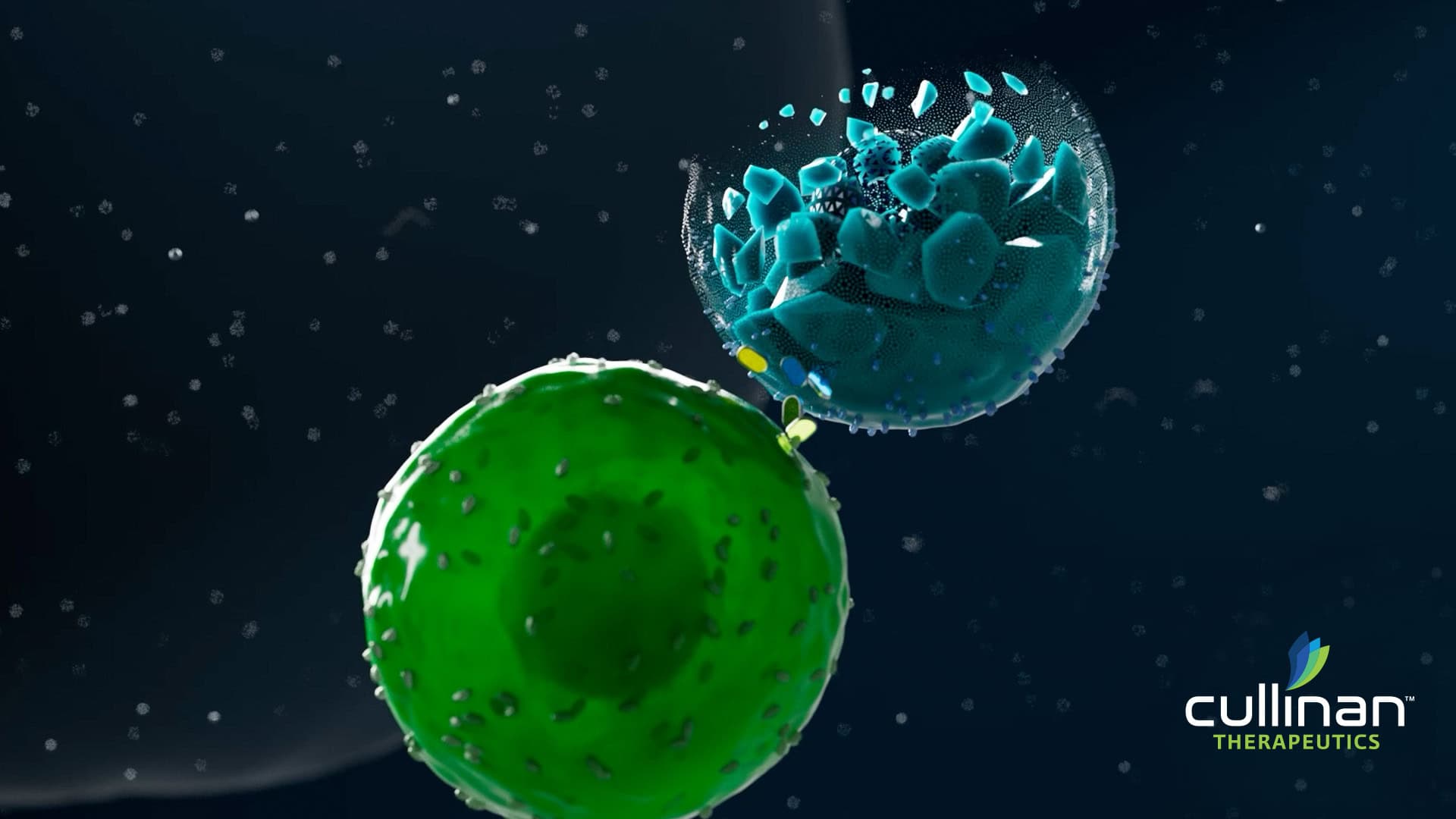
As immune‑modulating treatments like T cell engagers are being explored in autoimmune diseases, biomarkers play a critical role in understanding how this modality works by measuring biological processes and responses that complement our observations in the clinic.
At Cullinan, we approach biomarkers through a collaborative framework that brings together preclinical research, translational science, and clinical experience to connect dose, biological effect of the drug, and clinical observations over time. Working across our scientific teams allows us to continuously refine our hypotheses as programs advance from early discovery into the clinic.
This philosophy underpins our development of CLN-978, a CD19xCD3 T cell engager being investigated for patients living with autoimmune diseases, including rheumatoid arthritis, Sjögren’s disease, and systemic lupus erythematosus. Biomarkers are central to understanding mechanism of action, informing dosing strategy, and monitoring safety in the clinic.
Our Biomarker Framework for CLN-978: Aiming to Achieve Immune Reset
This approach is particularly relevant as the field explores the opportunity for immune reset in autoimmune diseases, with the goal of eliminating pathogenic B cells, and enabling repopulation with “normal” (non-pathogenic) B cells that do not produce harmful autoantibodies, ideally while preserving protective immune memory. This is like a “factory reset” – rebooting a system to restore function while retaining what’s essential.
In our OUTRACE clinical trials, we are using a suite of biomarkers to define and exemplify this concept. Importantly, immune reset cannot be defined by a single biomarker at one moment in time. Rather, it involves systematically interpreting a suite of biomarkers measured over time in conjunction with clinical readouts to develop a holistic picture.
With T cell engagers, immune reset is intended to deliver durable disease control with a relatively short duration of treatment and without chronic immunosuppression, with the option for redosing if pathogenic immune activity reemerges months or years later.
Connecting Biomarkers to Clinical Observations
Across our studies, we’re evaluating a broad set of biomarkers, with a particular focus on data that helps us understand immune reset, depth and durability of response, and safety. Since biomarkers are distinct from how a patient feels or functions, biomarkers should be considered as complementary to clinical observations – optimal interpretation comes from viewing the totality of data collected.
Here are a few examples of these biomarkers:
- B cells in the peripheral blood (depth and duration): Serial blood sampling allows biomarker analysis before and after dosing to quantify the depth of B cell depletion, how long depletion is maintained, and the pattern and timing of repopulation.
- Tissue B cells at sites of inflammation (where feasible): Autoimmune pathology often lives in tissues. Where feasible, tissue biopsies are evaluated to determine whether B cell depletion extends beyond the circulation to sites where inflammation is localized and sustained.
- Autoantibodies (inflammation and early signs of benefit): Autoantibody levels offer a way to relatively easily track disease-driving biology over time and often correlate with improvements in inflammation and clinical symptoms.
- Cytokines (immune activation and safety monitoring): Measuring cytokines – small proteins produced by immune cells working as chemical messengers – early and over time – helps characterize immune dynamics, ensuring that the appropriate level of immune activation is present and provides context for safety and tolerability observations.
Repeated sampling for biomarker analyses enables teams to connect dose, biology, and clinical observations, aligning preclinical expectations with emerging clinical data. Clinical endpoints remain essential for development decisions, but biomarkers can provide critical context around mechanism of action and treatment optimization.
Why Biomarkers Matter for Patients and for the Field
For patients, the promise of biomarkers is better outcomes with safer, more durable treatments. Biomarkers help us clarify mechanism, inform dosing decisions, and provide early safety signals or indicators of clinical activity.
We are grateful to the patients who make this work possible. Participating in a clinical trial is, in and of itself, a substantial commitment, and many patients choose to do even more by donating additional samples and undergoing extra procedures so we can better understand the science. We don’t take that contribution lightly and obtain as much useful information as possible from every sample. That can mean more appointments and more time, and, at times, procedures such as biopsies that may be uncomfortable. Patients’ willingness to contribute helps move science forward for everyone.
As the field evolves, we are optimistic about what a defined biomarker framework can unlock as we accelerate a true bench-to-bedside and back-to-bench learning cycle. Every sample, time point, and procedure helps us build a clearer picture of the biology and mechanisms of our investigational drugs over time and brings us closer to delivering meaningful impact for patients.
We are deeply thankful to our multidisciplinary teams at Cullinan, and to the patients, caregivers, investigators, and site teams who make this research possible. Our team is excited to keep learning alongside the broader community as we work toward safer, more durable approaches for people living with autoimmune diseases.
About the Authors
Jennifer Michaelson, PhD, Chief Scientific Officer, Cullinan Therapeutics

Jennifer Michaelson is a biotech executive with 20+ years of industry experience in oncology, immunology, and immune-oncology drug development. Prior to joining Cullinan Therapeutics, Jennifer participated in the launch of Jounce Therapeutics, where she built and led multiple departments, including Tumor Immunology, Pharmacology, and Preclinical Development, and went on to serve as the Executive Program Leader for the lead program, JTX-2011. Jennifer’s prior roles in industry include a 10-year tenure at Biogen, where she served as project leader for several monoclonal antibody and bispecific antibody programs in both the oncology and immunology therapeutic areas. Jennifer has also served as a consultant at Third Rock Ventures for multiple stealth stage immune-oncology companies.
Jennifer earned her BA in Biology from Princeton University and PhD from the Department of Cell Biology at Albert Einstein College of Medicine, and she completed a post-doctoral fellowship in Philip Leder’s laboratory in the Department of Genetics at Harvard Medical School.
Irina Shapiro, PhD, Vice President, Translational Research, Cullinan Therapeutics

Irina Shapiro is an enterprise-level leader in translational research, clinical biomarker strategy, and clinical development across immuno-oncology and autoimmune diseases. At Cullinan Therapeutics, Irina leads biomarker-driven translational strategies supporting the development of next-generation T cell engagers in both autoimmune and oncology indications. She has over 15 years of experience advancing biologics from discovery into early clinical development, with deep expertise in immuno-oncology, immune modulation, and clinical biomarkers.
At Cullinan and in prior roles at Agenus and EMD Serono, Irina has led translational efforts enabling mechanism-driven clinical development and patient selection for immune-targeting therapies. She earned her Ph.D. in Cell Biology from MIT and completed a postdoctoral fellowship at the Koch Institute for Integrative Cancer Research.