Five weeks after the FDA approved a pill that extends survival in metastatic pancreatic cancer, one of the physicians who led its development joined a patient, an industry scientist and a state legislator at the MassBioHub to ask a harder question: what will it take to reach patients before the disease has spread?
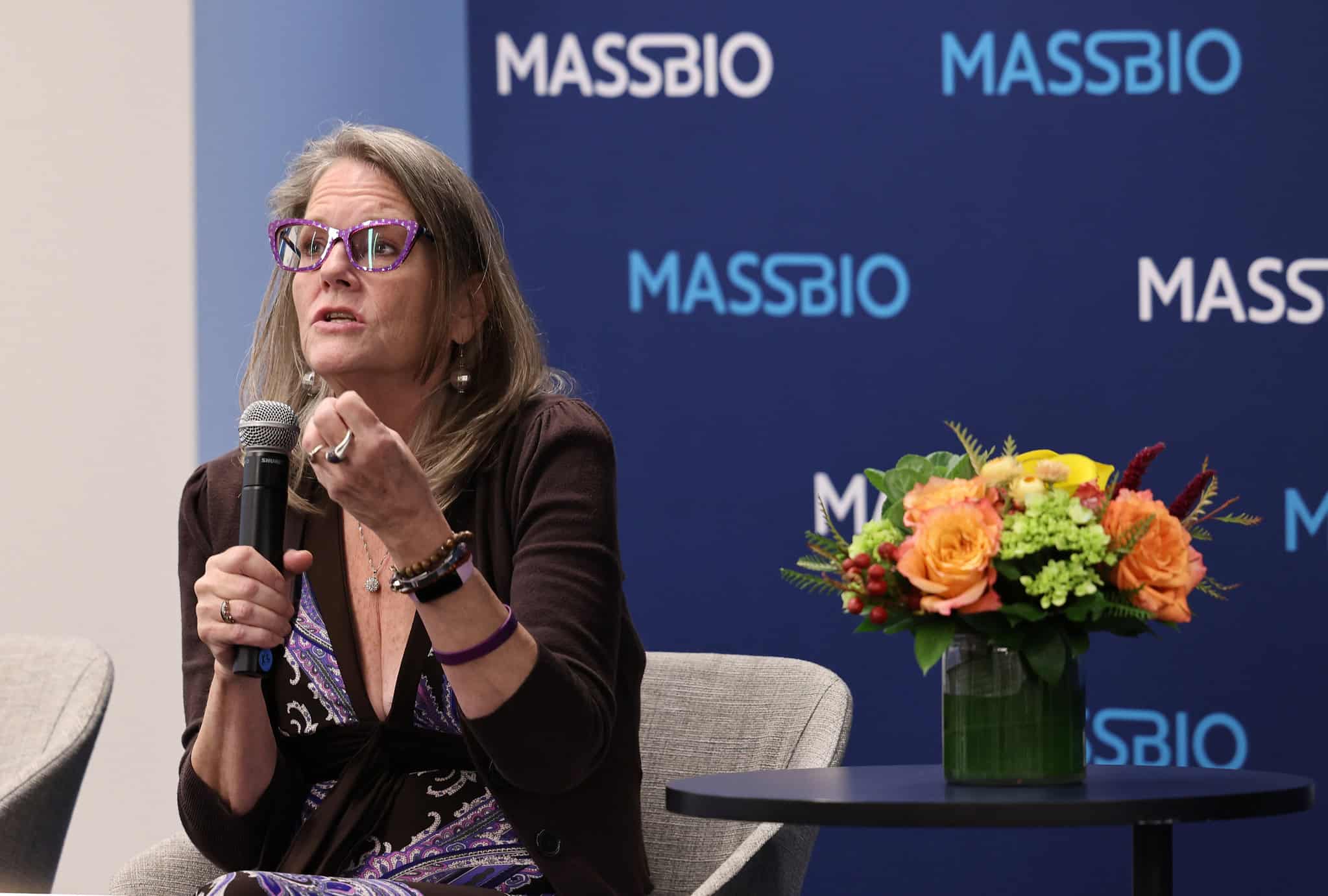
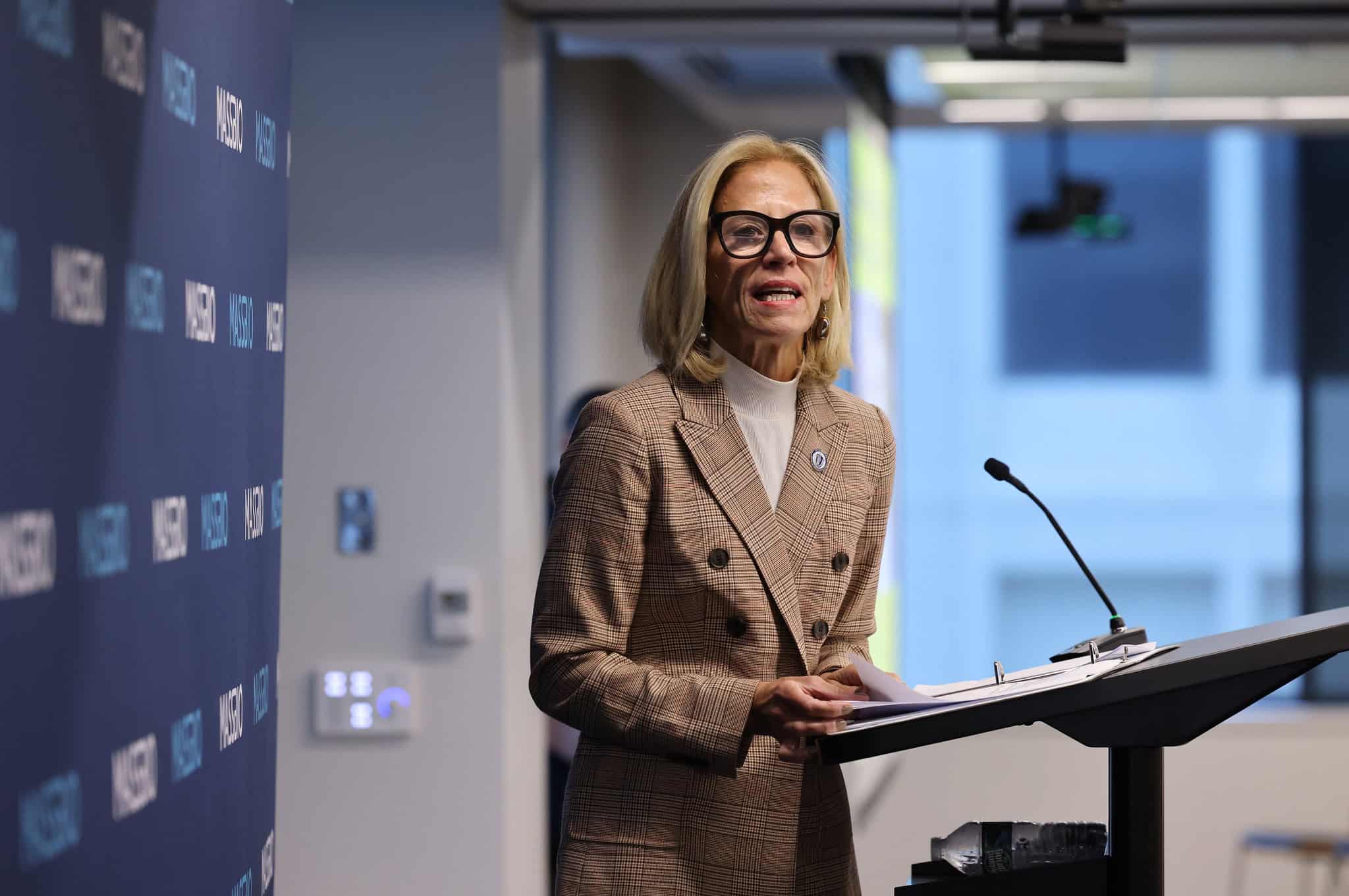
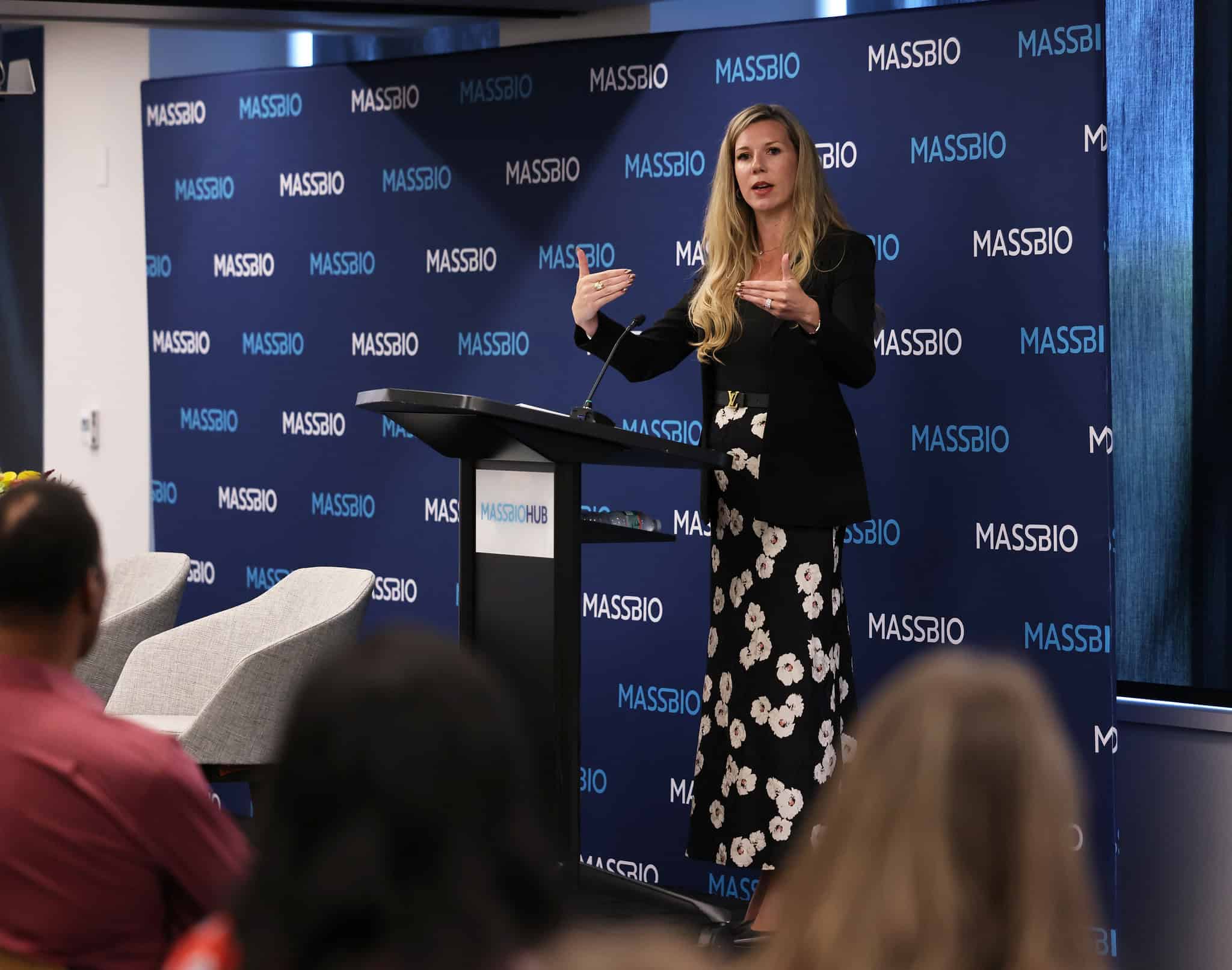
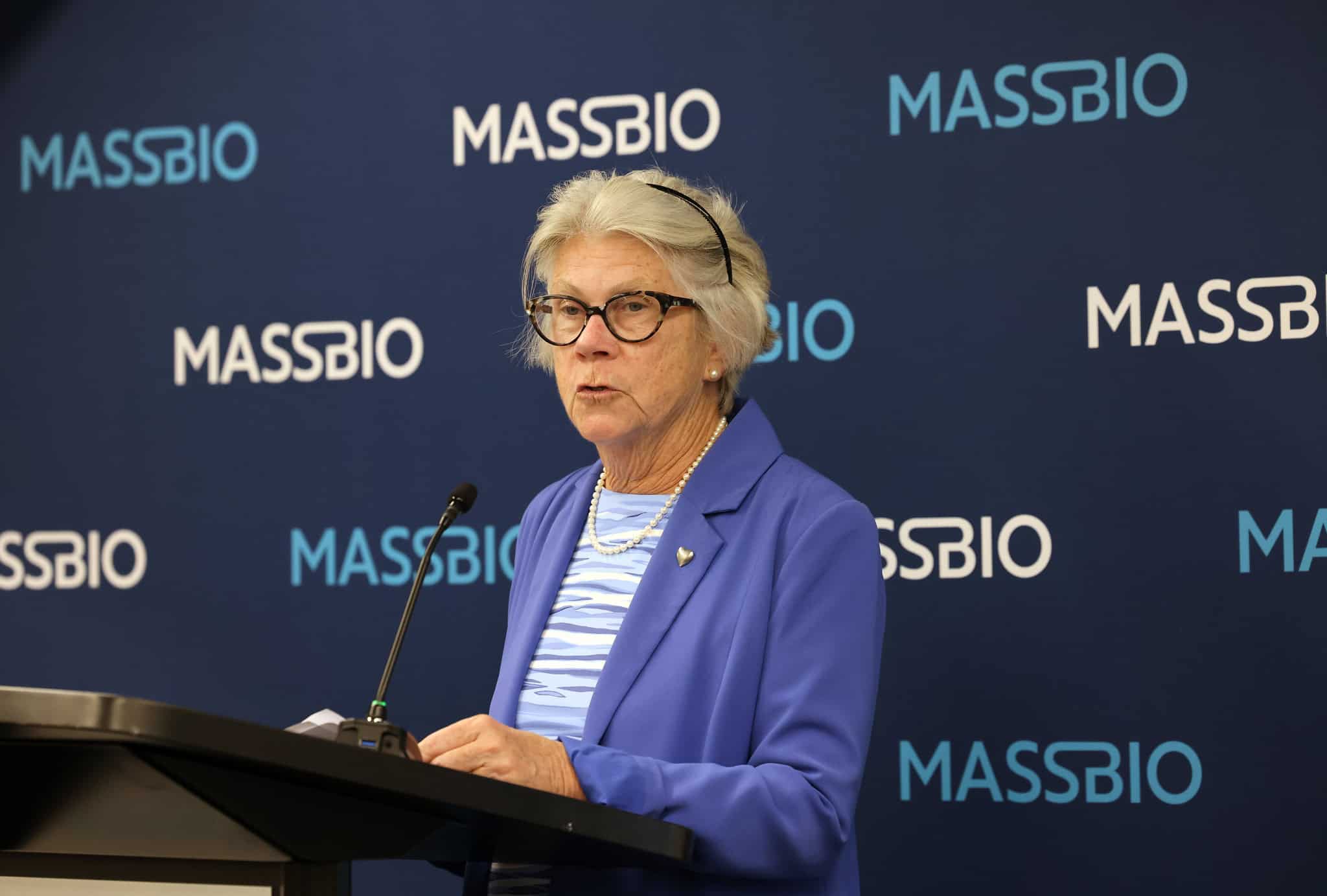
The 2026 Women’s Health Symposium, co-hosted by MassBio and the Massachusetts Caucus of Women Legislators on Oct. 1, focused on pancreatic cancer in women. Rep. Carole Fiola, House chair of the Joint Committee on Economic Development and Emerging Technologies, moderated a panel with Dr. Brian Wolpin of Dana-Farber Cancer Institute, Michael D’Amore of Genentech and patient advocate Katie Torrence.
Why it matters: Pancreatic cancer is the third leading cause of cancer death in the United States. Among adults under 55, incidence has been rising about 2.4% a year in women, compared with 0.6% in men, and five-year survival has barely moved.
Fiola dedicated the discussion to two colleagues the Legislature lost to the disease last year, Reps. Ann-Margaret Ferrante and Carol Doherty.
From “undruggable” to a daily pill

Almost 95% of pancreatic cancers are driven by mutations in a single gene, KRAS. Researchers identified the RAS gene family as a cause of cancer in the early 1980s, but for decades no one could design a drug to block it. The field called it undruggable.
Wolpin, who has studied pancreatic cancer at Dana-Farber for more than 20 years, credited chemists for finding a new way in. Dana-Farber led the Phase I and Phase II trials of daraxonrasib, and Wolpin served as overall principal investigator for the Phase III trial.
The results: a once-daily pill outperformed chemotherapy on survival, on how long it controlled the cancer, on tumor shrinkage and on quality of life. The FDA approved it Aug. 26.
“I was in clinic yesterday seeing patients, and I wrote two prescriptions, just standard prescriptions,” Wolpin said.
He also called for retiring the old label. “We should not be calling it undruggable,” he said. The better answer, in his view, is “not yet.”
The half it doesn’t reach
The new drug extends life, but it does not cure metastatic disease. “Eventually, in almost all patients, the cancer will figure out a way around that,” Wolpin said.
Dana-Farber is working with three other cancer centers, Breakthrough Cancer and the Lustgarten Foundation to learn how. Patients on the drug are volunteering for repeat tumor biopsies, and the data are already pointing toward combination therapies. Wolpin expects those trials to open within the next year.
D’Amore, a principal medical science liaison at Genentech, explained why the industry is also moving upstream. Early tumors carry fewer mutations and have not yet built up their defenses against the immune system. Pancreatic tumors are also wrapped in dense surrounding tissue that keeps drugs out. That makes early disease a more promising target for approaches such as personalized cancer vaccines, which are built from a patient’s own tumor and given after surgery.

Why women, and why younger
Ten years ago, Wolpin said, he rarely saw a patient under 50. Now it is not uncommon, and many of those patients are younger women.
Torrence sees the same pattern. She has become the person friends call when someone they know is diagnosed, and nearly everyone she has supported through the disease has been a woman.
Diet, obesity and diabetes explain part of the rise, but many of his young patients have none of those risk factors. Researchers are studying the microbiome, microplastics and other environmental exposures, without conclusive answers so far.
Women who have had breast cancer face higher pancreatic cancer risk later in life, partly because of shared genetic drivers such as BRCA1 and BRCA2. Wolpin said that overlap calls for greater awareness among breast cancer survivors.
“This disease is hard at any age, but when you start seeing patients in their 30s and 40s, it’s really quite tough,” he said.
Finding it sooner
Most early diagnoses today come down to chance: a small tumor that blocks the bile duct and causes jaundice, or a scan ordered for something else. The exception is families with inherited risk, who can be screened with MRI and endoscopic ultrasound. They account for only about one in 10 patients.
Wolpin’s lab is working to close that gap. Warning signs in symptoms, blood work and imaging can appear up to 18 months before diagnosis. AI models that combine those signals could flag at-risk patients for primary care doctors, who may see only a handful of pancreatic cancer cases in a decade. The tools are in early testing and not yet in clinical use.
“When we find it early, we can cure this cancer,” Wolpin said, pointing to Torrence as living proof. She immediately offered up her own medical records for his research. “I’m an open book. Sign me up for everything.”
In the meantime, Wolpin’s advice was direct: “If you are losing weight and you don’t know why, that’s not normal.”
“I should be what everybody has”
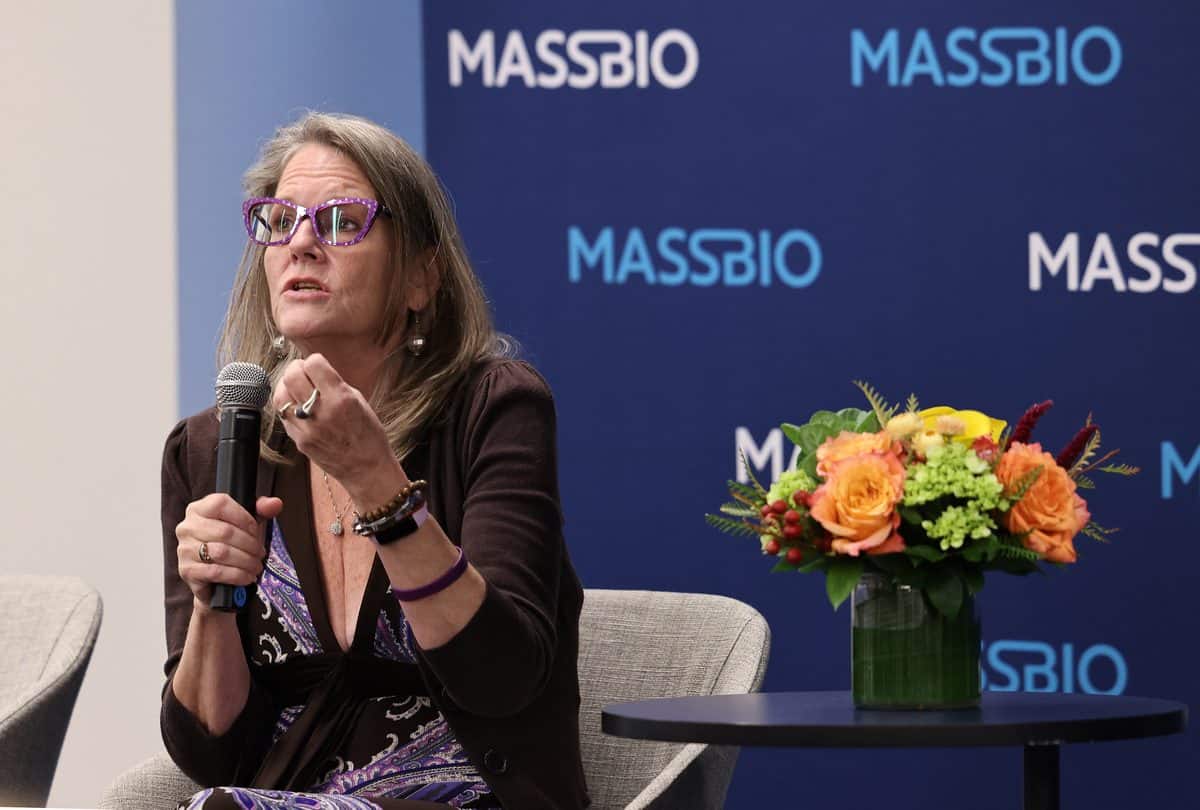
Katie Torrence was diagnosed in August 2020, at 53, in the middle of the pandemic. She lived alone and saw friends and family only on screens. Her symptoms were vague: itchy hands, an unusual stool color.
Her new primary care doctor had never met her in person. “She didn’t know if I was a little dramatic, which I am,” Torrence said. The doctor ordered blood work right away. Elevated bilirubin led to imaging, then a referral to a liver specialist. Fifteen days after that first visit, she learned doctors had found a tumor. Her surgeon told her she was young and healthy enough to fight it aggressively. Her answer: “Sign me up. I’ll be your patient X.” She started treatment 23 days after diagnosis, after spending six of those days hospitalized alone. She is healthy today.
She has told legislators she should not be a unicorn. “I’m the messenger,” she said. “I should be what everybody has.”
Her ask of the policymakers in the room was simple: “Behind every policy, behind every piece of legislation, there’s a person who’s going to benefit from the decisions that you make.”
Policy can move the standard of care
Wolpin served on the Commonwealth’s Special Commission on pancreatic cancer, which issued its recommendations in 2019. Two of them, genetic testing for every patient and DNA sequencing of every tumor, were once routine only at academic centers. Today, he said, a much higher share of patients referred to Dana-Farber arrive with both already done.
The Women’s Caucus is now backing legislation to create a standing Pancreatic Cancer Advisory Council at the Department of Public Health. Wolpin said its first job should be spreading what already works to every community, while sustaining the research that produced this year’s breakthrough.
Fiola closed with a precedent. Massachusetts removed cost as a barrier to breast cancer screening because early detection is where survival is decided. “The same logic applies here,” she said, “and the science is finally catching up to the ambition.”
What’s next: MassBio’s Patient Advocacy Summit returns to the MassBioHub on Nov. 12.
Thank you to our sustaining sponsors Lilly, the Massachusetts Life Sciences Center, Thermo Fisher Scientific and Vertex, and to our supporting sponsors Genentech, Ipsen, Manatt and UCB.
2026 Women’s Health Symposium
View the album