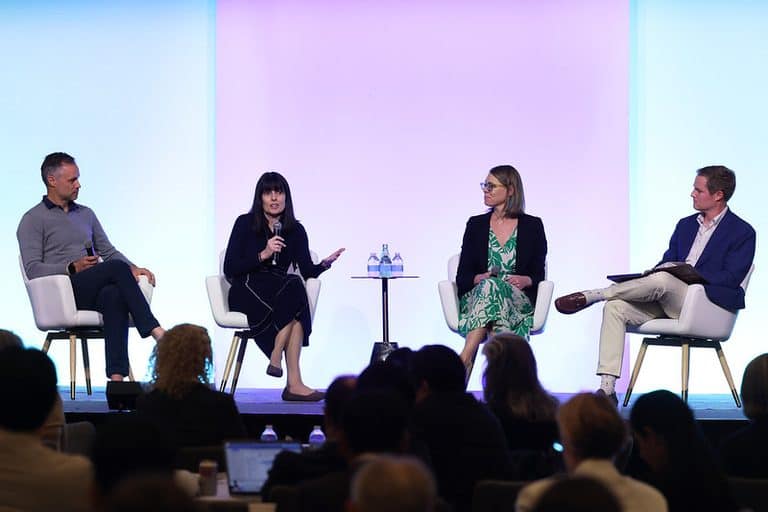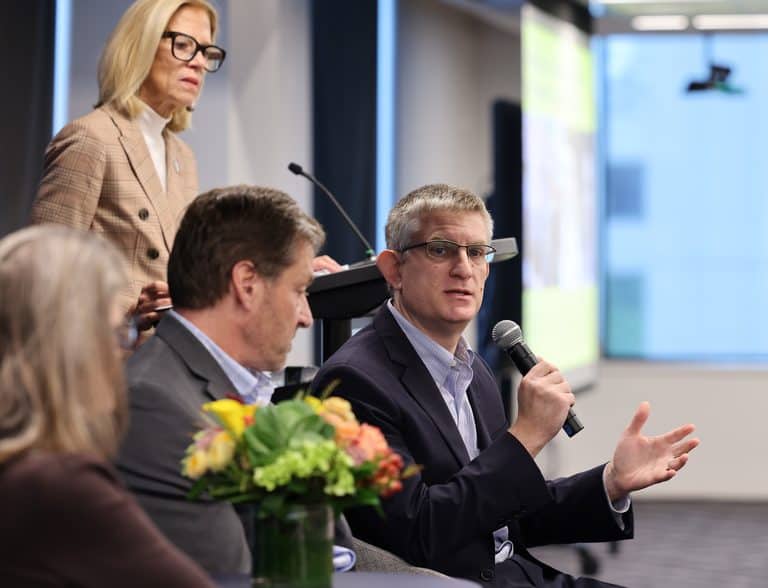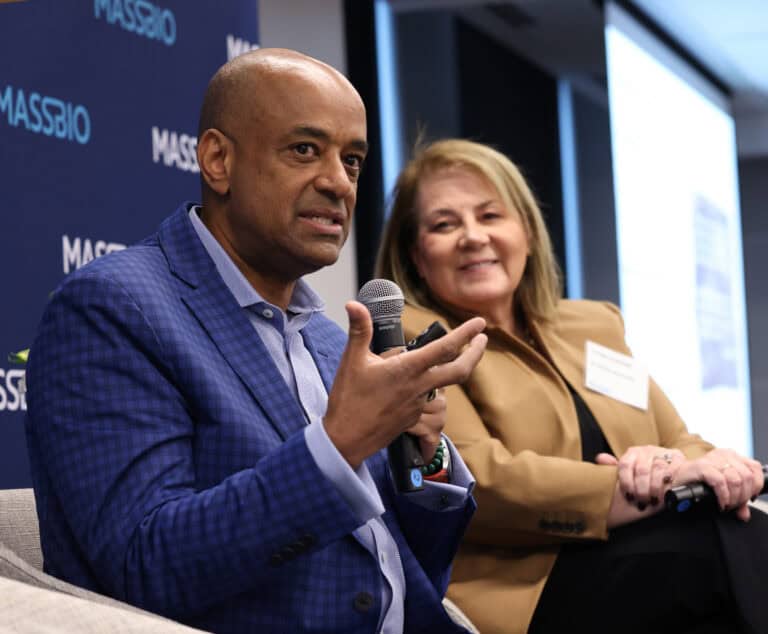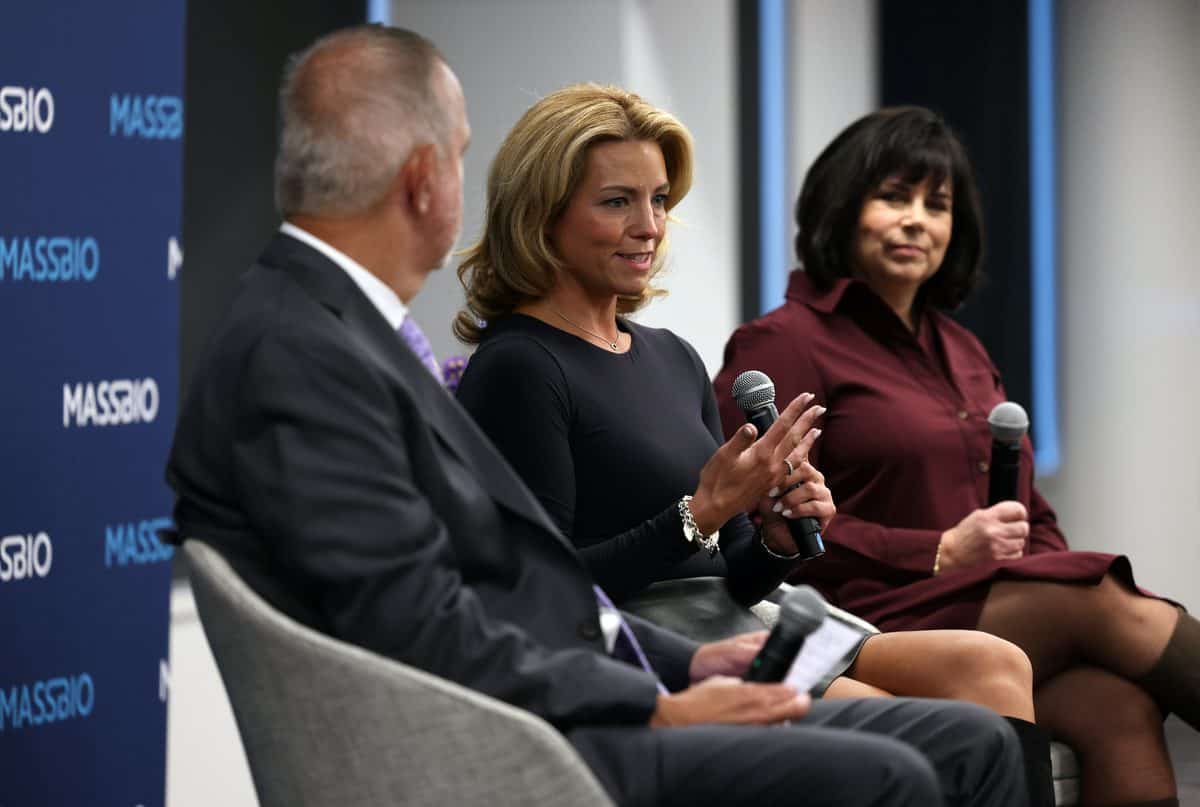
An earlier diagnosis can mean a different life. That idea ran through every talk at MassBio’s 13th annual Patient Advocacy Summit, held November 12 at the MassBioHub in Cambridge.
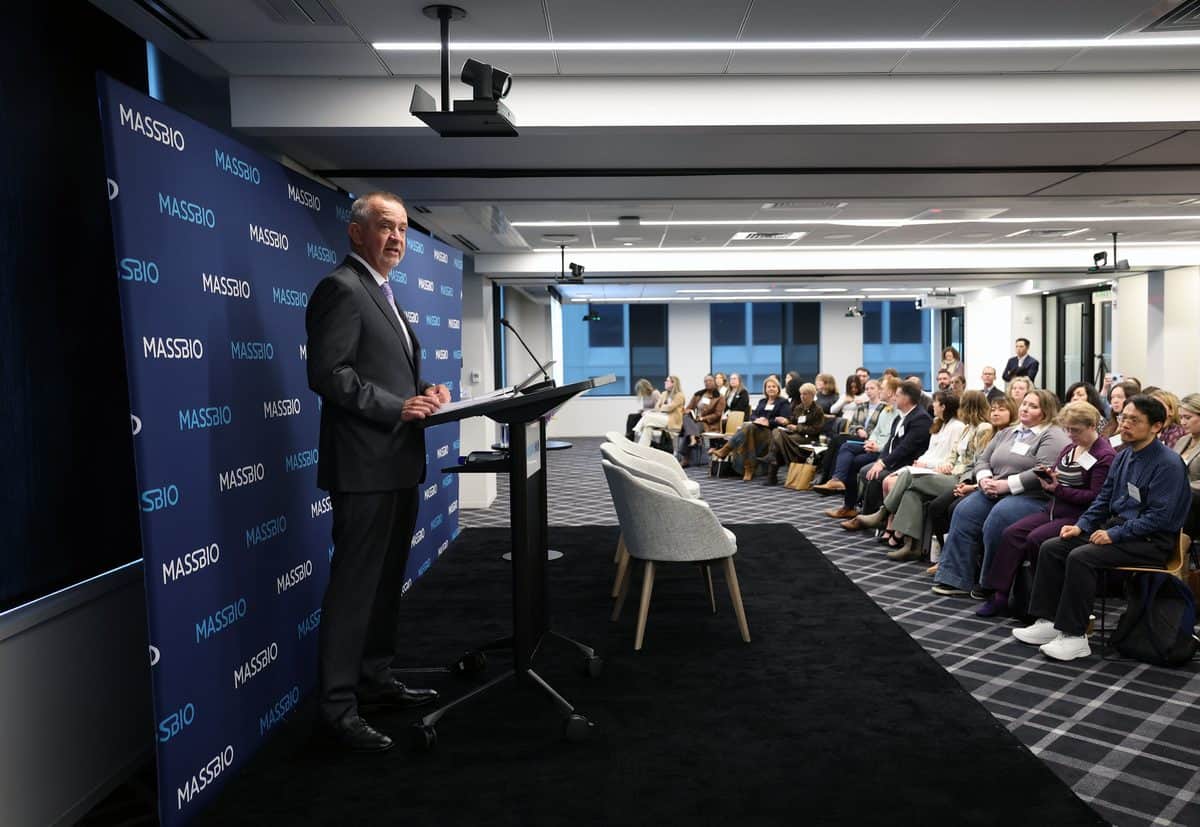
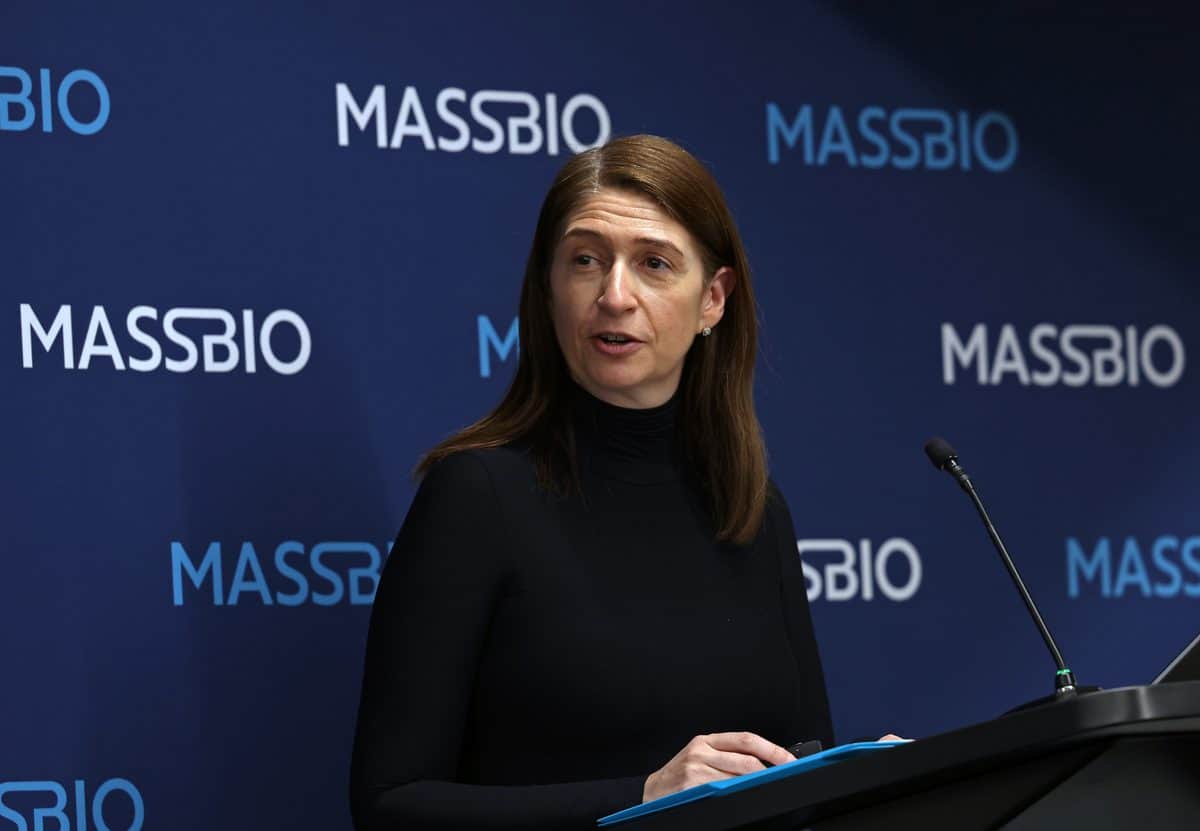
This year’s program followed the patient journey from the first sign that something is wrong through diagnosis, treatment, transplant and the life that comes after. MassBio Head of Government Affairs Ed Coppinger shared his 25 years as a kidney patient. Keynote speaker Michelle Werner, executive vice president and president of North America at Ipsen, spoke as both an industry leader and the mother of a son with Duchenne muscular dystrophy. A panel with Jennifer Matthews, executive director of the National Kidney Foundation serving New England, and Margrette Mondillo, executive director and chief operating officer of the Light Foundation and a kidney transplant recipient, covered the full arc of kidney disease. For the first time, the summit was free for all MassBio members.
Here are five takeaways from the morning.
1. Early detection buys time, and time is a life
Coppinger’s diagnosis came by chance. Around 2000, a routine drug test for a job interview picked up blood and protein in his urine. A nurse told him to see a kidney specialist, and he was diagnosed with IgA nephropathy at Brigham and Women’s Hospital.
Because the disease was found early, his doctors could monitor it for 15 years. In that time, he and his wife went from one daughter to four, he coached their teams and he was elected to the Massachusetts House of Representatives. In April 2015, he received a kidney from his sister, Eileen, without ever needing dialysis.
“Early diagnosis didn’t cure my disease, but it gave me time,” Coppinger said. “And those years were priceless.”
Mondillo had no such warning. Routine blood work in November 2022 showed her kidneys were already in end-stage failure, and within a week she was on dialysis. According to the National Kidney Foundation, more than 37 million American adults have kidney disease, and about 90 percent of them don’t know it.
2. Patients and caregivers are experts. Bring them in early.
Werner’s son was diagnosed with Duchenne on his 10th birthday, in May 2020. By then she had spent years at companies including BMS, AstraZeneca and Novartis. “If there was ever a parent who should be able to figure it out, it should have been me,” she said. “But I couldn’t.”
Her first ask of the room was to treat parents and caregivers as experts. “Parents are not observers,” Werner said. “We are data collectors, care coordinators, researchers, advocates, and decision makers.” She urged companies to invite families in while decisions are being made, not after. “The best solutions are built with families, not for them.”
Matthews knows that role firsthand. She cared for her mother through six months at Massachusetts General Hospital before a liver-kidney transplant, often reading test results in the patient portal before the transplant coordinator called. “We became doctors overnight,” she said.
3. Tell families the truth, even when it’s hard
Werner’s second ask was transparency. “Families can handle hard stuff,” she said. “What we struggle with is uncertainty, mixed messages, and false hope.”
Matthews echoed that point directly from the caregiver’s side. “Just tell us the truth. Be straightforward with us. Tell us what to expect,” she said. “We don’t like uncertainty.”
Mondillo described what it feels like when that doesn’t happen. She woke from her transplant to about 10 people in her room and was told only that her blood pressure was a little low. “I know they’re not telling me the whole story,” she remembered thinking. In fact, she had hemorrhaged during surgery and needed a second operation. “I don’t think they quite prepare you for it,” she said.
4. Measure value in more than outcomes and costs
Werner’s third ask was to broaden how the industry defines value. Business performance matters, she said, but some of the greatest impact comes from investing in smaller patient populations and science others see as too risky. The question is not only whether a product can succeed commercially, but whether it “can meaningfully change a person’s life.”
Coppinger made the same point from the patient’s side. The value of treatment, he said, is also “measured in birthdays, graduations, family dinners, basketball games, soccer games, and all the extraordinary moments that make up a life.”
5. Patients shouldn’t have to fight the system alone
Too often, patients have to push for their own care. Matthews encouraged people with risk factors such as high blood pressure, diabetes or a family history to ask their primary care doctor for two simple tests: a blood test called eGFR and a urine test called UACR. She added that in some places, patients have to raise transplant with their doctors themselves.
Mondillo was looking at a wait of seven to eight years for a deceased donor kidney because of her blood type. Instead, a former coworker of her husband’s donated a kidney to a stranger through the National Kidney Registry’s voucher program, which prioritized Mondillo for a living donor kidney. She received her transplant at Mass General in February 2024. Both panelists also urged patients to seek mental health support, which Mondillo called “a game changer.”
What comes next
Werner closed with a challenge to everyone in the room: “Be as brave as the patients we serve. Listen earlier and deeper. Move faster.”
MassBio’s next patient-focused event is the Rare Disease Day Forum on Feb. 24, 2027, at the MassBioHub. Members can also take advantage of a special early-bird rate for the State of Possible Conference on April 8, 2027.
The summit was made possible by sustaining sponsors Lilly, the Massachusetts Life Sciences Center, Thermo Fisher Scientific and Vertex Pharmaceuticals, and supporting sponsors Genentech, Ipsen, Novartis, UCB and Ultragenyx.